

What the "Hot Girl Walk" Gets Right (And What It's Missing)

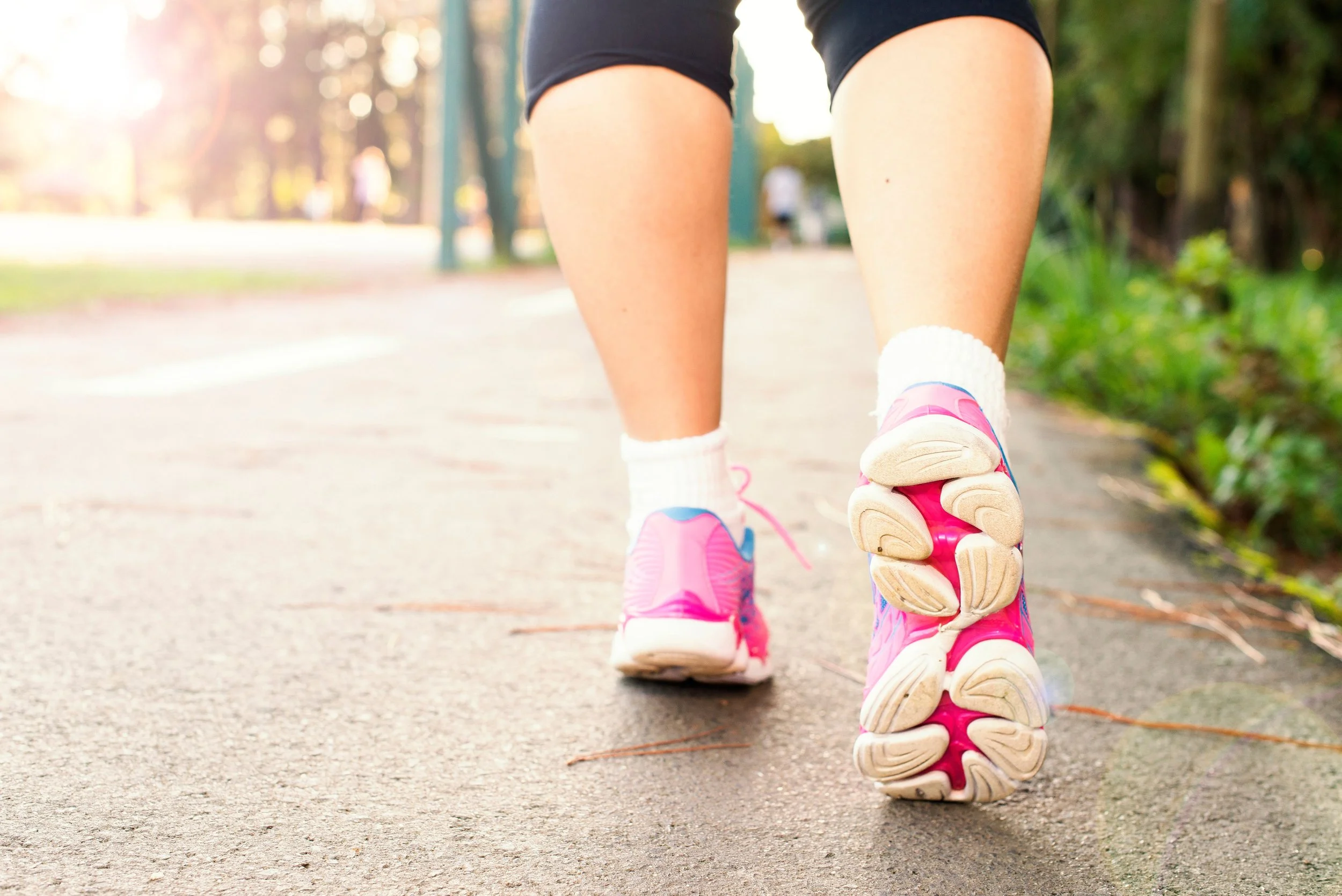
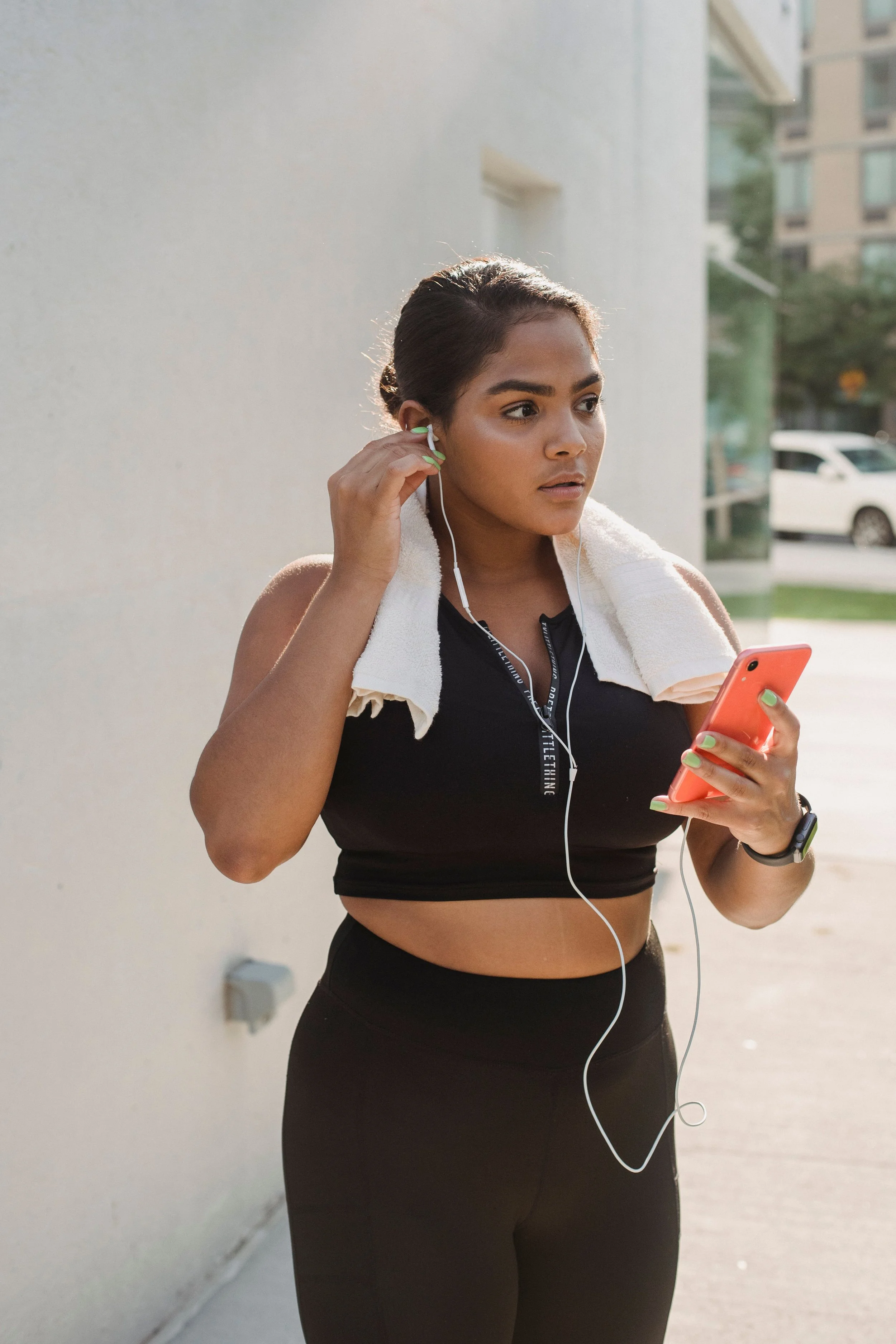
If you've been on social media in the last few years, you've seen it. A woman walking outside, AirPods in, moving with intention. The caption says something about goals, gratitude, and knowing she's that girl. The Hot Girl Walk has become one of the most genuinely wholesome fitness trends the internet has produced in a long time. No before-and-after photos. No calorie counts. No shame.
And here's what I want to tell you: the science behind it is real. Just not for the reasons most people think.
What the Trend Actually Is
The Hot Girl Walk was coined by TikTok creator Mia Lind in 2021. In its original form, it's a four-mile outdoor walk where you spend the time thinking only about three things: your goals, what you're grateful for, and how great you are. No problem-solving, no scrolling, no ruminating. Just you, forward movement, and intentional thought.
What made it resonate wasn't the mileage. It was the permission it gave women to take up space, move at their own pace, and reframe exercise as something that belongs to them rather than something they owe their body.
That reframe is important. And it's worth understanding why it works at a deeper level than most of the coverage has explored.
The Neuroscience Nobody Is Talking About
Here's what I find most interesting about the Hot Girl Walk as a licensed therapist who is also EMDR-trained: walking is a form of bilateral stimulation.
Bilateral stimulation refers to any sensory input that alternates between the left and right sides of the body or brain. When you walk, your arms swing in opposition to your legs, activating both hemispheres of your brain in an alternating rhythm. Your eyes scan the environment from side to side. Your weight shifts left, then right, then left again.
This is the same basic mechanism used in EMDR therapy, a treatment with strong evidence for processing trauma and reducing the emotional intensity of distressing memories. A 2016 study published in PLOS ONE found that bilateral stimulation in EMDR induces relaxation, reduces activity in the prefrontal cortex, and enhances access to pleasant memories. A 2023 systematic review confirmed that bilateral stimulation produces a clear and persistent decrease in fear behavior and increases neuronal activity in regions associated with emotional regulation.
Walking doesn't replicate a clinical EMDR session. But it does naturally activate the same bilateral mechanism your brain uses to process and integrate emotional experience. This is why a walk often produces that specific feeling of clarity that sitting with a difficult thought does not. You're not just airing out your thoughts. You're giving your brain the conditions it needs to actually move some of them through.
A 2023 systematic review and meta-analysis published in JMIR Public Health and Surveillance, which included 75 randomized controlled trials and over 8,600 participants, found that walking significantly reduced both anxiety and depressive symptoms. A 2023 systematic review on nature-based walking interventions found consistent reductions in anxiety, negative affect, and rumination, with improvements in mood and mental wellbeing across study populations.
The Hot Girl Walk, it turns out, is nervous system medicine. It just doesn't know it yet.
What the Trend Doesn't Account For
Here's where I want to offer something the Hot Girl Walk conversation tends to skip.
The original framework asks you to think about your goals, your gratitude, and how great you are. That's a solid intention. But it assumes you're arriving at your walk in a state where positive thinking is accessible.
For many of the women I work with, especially those carrying chronic stress, a history of trauma, or the particular weight that comes with being a Black woman moving through the world right now, the walk doesn't always start from a neutral baseline. Sometimes you step outside already activated. Already tense. Already halfway through the mental spiral you were trying to leave at the door.
Telling yourself you're that girl when your nervous system is in survival mode can feel hollow at best and defeating at worst. Not because the affirmation isn't true. Because your body doesn't believe it yet.
This is where a nervous-system-informed approach to the Hot Girl Walk becomes genuinely different from the original format. Instead of leading with what you're thinking, you start with what you're feeling. What's the state of your body right now? Are you wired? Depleted? Numb? Somewhere in between?
Then you let the walk meet you there. The bilateral stimulation does its work regardless of the content of your thoughts. Your nervous system begins to regulate whether or not you've successfully pivoted to gratitude. The goal isn't to perform wellness during your walk. It's to let your body do what it's actually wired to do when you get out of its way.
How to Walk in a Way That Actually Regulates
This doesn't require abandoning the original format. It requires adding a layer to it.
Before you start: Take thirty seconds to check in with your body. Notice where you're holding tension. Notice your breathing. You don't need to fix anything. Just arrive honestly.
In the first ten minutes: Let the walk do the neurological work without demanding anything from your mind. Arms swinging, eyes scanning, feet on the ground. If thoughts come, let them. If your mind wants to process something difficult, let it. This is the bilateral window. Your brain is working.
In the middle: This is when the Hot Girl Walk's original intentions become more accessible. By this point, your nervous system has had time to begin shifting. Gratitude lands differently when your body feels slightly safer. Goals feel more possible when you're not flooded.
In the last ten minutes: This is where many people report their clearest thinking. Not because they forced it, but because the walk created the conditions for it. If something surfaces here, let it. This is integration happening in real time.
A Note on Consistency
One of the reasons the Hot Girl Walk stuck culturally is that it's genuinely accessible. You don't need a gym membership, a trainer, equipment, or a certain body type. You need shoes and a direction.
For women who have cycled through gym phases that didn't last, who feel overwhelmed by traditional fitness spaces, or who have complicated histories with exercise, that accessibility matters enormously. A 2024 systematic review found that walking interventions are effective across a wide range of populations, including people with anxiety and depression, with consistent results across different intensities and durations.
Low-intensity, sustainable movement that you can actually return to is worth more than an intense program you abandon in three weeks. The Hot Girl Walk, at its core, understands this. The nervous system layer I'm describing simply deepens why it works and gives you a way to show up for it even on the days when feeling hot feels like a stretch.
Frequently Asked Questions
-
Walking is consistently underestimated as an exercise modality, especially in fitness cultures that equate intensity with effectiveness. A 2024 systematic review and meta-analysis of 75 randomized controlled trials found that walking significantly reduces both depression and anxiety symptoms. A 2023 systematic review on nature-based walking found reductions in anxiety, rumination, and negative affect across study populations. For nervous system regulation specifically, the bilateral, rhythmic nature of walking makes it one of the most effective movement tools available. Intensity and effectiveness are not the same thing.
-
Several mechanisms are at work simultaneously. Walking triggers the release of endorphins, serotonin, and dopamine, all of which support mood regulation. It also activates bilateral stimulation, the alternating left-right movement that helps your brain integrate and process emotional experience, which is the same mechanism used in EMDR therapy. Nature-based walking adds a third layer: research consistently shows that exposure to natural environments reduces heart rate, lowers cortisol, and decreases rumination. The combination makes walking one of the most neurologically complete anxiety interventions available without a prescription.
-
The Hot Girl Walk is a four-mile outdoor walking practice that pairs physical movement with intentional mental focus on goals, gratitude, and self-affirmation. It's good for mental health for several overlapping reasons: it provides bilateral stimulation that supports nervous system regulation and emotional processing, it creates a protected mental space away from screens and negative input, it uses movement to shift mood neurochemically, and the emphasis on self-affirmation rather than aesthetic goals makes it accessible to people who have complicated relationships with traditional exercise. The research on walking for anxiety and depression supports it as a genuine intervention, not just a social media trend.
-
Walking can support trauma processing in meaningful ways, though it is not a substitute for clinical trauma therapy. The bilateral stimulation produced by walking activates similar neurological mechanisms to those used in EMDR therapy, which has strong clinical evidence for trauma treatment. Research published in PLOS ONE found that bilateral stimulation reduces the emotional intensity of distressing memories and supports access to more positive emotional states. Walking also helps regulate the autonomic nervous system, which is frequently dysregulated in people living with the effects of trauma. For trauma survivors, pairing walking with professional therapeutic support produces the most comprehensive results.
-
You don't have to. The neurological benefit of walking, including bilateral stimulation and mood regulation, happens regardless of the content of your thoughts. If you arrive at your walk already activated or depleted, let the first portion simply be movement without expectation. Your nervous system will begin regulating before your thoughts catch up. Gratitude and positive thinking tend to become more accessible later in the walk, after the bilateral work has had time to shift your baseline. Meeting yourself where you are is always more effective than performing an emotional state you haven't arrived at yet.
-
The principle behind the Hot Girl Walk, low-intensity bilateral movement combined with intentional mental focus, can be adapted for many bodies and conditions. The original four-mile format is not the point. What matters is rhythmic movement that alternates sides of the body, done at whatever pace and duration is accessible for you. For people who cannot walk, similar bilateral benefits can be found in rhythmic arm movements, bilateral tapping, or other forms of alternating sensory input. Working with a trauma-informed movement practitioner can help you find the version of this practice that fits your body.
If you're looking for a movement practice that works with your nervous system rather than over it, a free consultation is a low-pressure conversation about what that could look like for you.
About Meagé: Meagé Clements is a licensed clinical social worker, EMDR-trained therapist, and certified trauma-informed personal trainer based in Gaithersburg, Maryland. She works with clients virtually worldwide and in person in the DMV area. As featured in Oprah Daily.
Sources
Xu, Z. et al. (2024). The effect of walking on depressive and anxiety symptoms: Systematic review and meta-analysis. JMIR Public Health and Surveillance, 10, e48355. doi:10.2196/48355
Amano, T. & Toichi, M. (2016). The role of alternating bilateral stimulation in establishing positive cognition in EMDR therapy: A multi-channel near-infrared spectroscopy study. PLOS ONE. doi:10.1371/journal.pone.0162735
Baek, J. et al. (2019). Bilateral stimulation produces a clear and persistent decrease in fear behavior. Cited in: A systematic review exploring the role of eye movements in EMDR therapy from a working memory perspective. EMDR Therapy Quarterly (2023).
Muara, S. et al. (2023). Effectiveness of nature-based walking interventions in improving mental health in adults: A systematic review. Current Psychology. doi:10.1007/s12144-023-05112-z