
Trauma-Informed Strength Training for Self-Care Empowerment
We have all been told or seen aesthetic influencer content where self-care is depicted as bubble bath, face mask, self-help book and fully unplugging for the weekend. And while all of those things are fine, self-care for many of us isn’t a perfectly curated instagram reel or Pinterest board. The most needed form of self-care might be moving our bodies in ways that help us feel grounded AND strong in our bodies again.
Strength training has become a necessary part of my self-care routine. When I was first introduced to strength training, it used to mean pushing past my limits, ignoring pain (and disguising it as “feeling the burn”), and chasing often unrealistic and unsustainable aesthetic goals. Trauma-informed movement is different. It’s not about punishing your body. It’s about partnering with it.
What Makes a Workout “Trauma-Informed”?
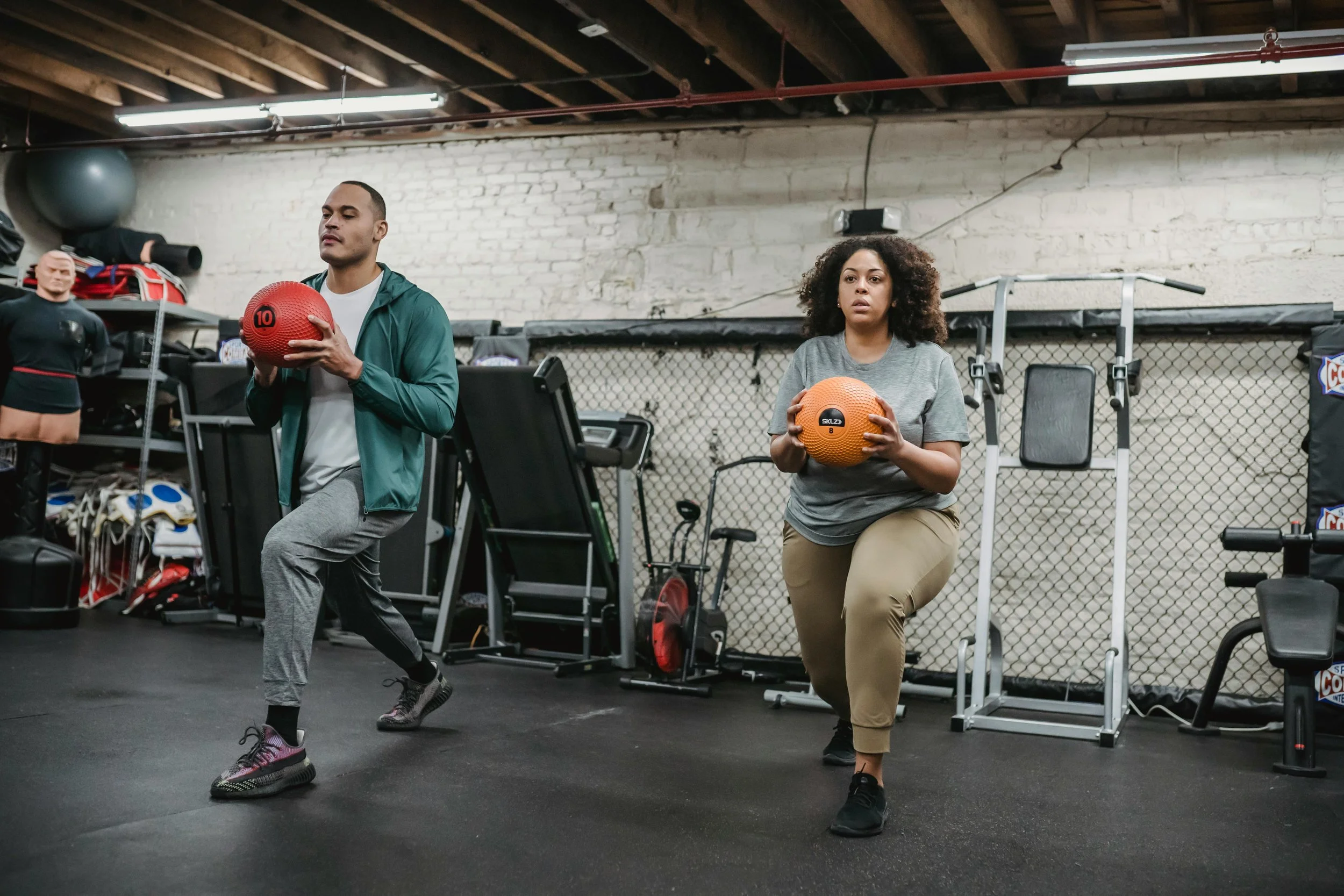
Trauma-informed workouts center safety, choice and consent. Shameless plug: My class Unbothered Strength at Sweetbay Wellbeing Studio embodies this using low-equipment, bodyweight and resistance bands. There is room for a challenge without dysregulating our nervous systems (especially when movement is being used for self-care). Trauma-informed workouts also recognize that each individual is arriving with a body that carries its own history with stress, tension, chronic health conditions and possibly trauma. Each of these experiences are met with compassion, rather than something to be treated or “fixed.”
In a trauma-informed training session, you might expect the following:
Consent and autonomy: You decide what feels right and when to pause. You’re also informed every step along the way and given options without judgement towards what you choose.
Curiosity over criticism: There’s no “wrong” way to move (unless it is dangerous or could result in injury. Instead of prescribing or pushing our bodies, we finding opportunities to listen and adjust as needed.
Connection: Movement becomes a conversation between your mind and body strengthening that mind-body connection.
What’s the connection between strength and nervous system regulation?
Your body’s nervous system is the first to know when you feel unsafe, even if your mind tries to push through. Trauma-informed strength training supports regulation by teaching your body what safe activation feels like. When you train with mindfulness, breathe intentionally, and rest when needed, you’re helping your nervous system find balance again.
Think of it as building internal strength, not just muscle. Each rep, each inhale, each choice to stop or keep going is a small act of reclaiming control in a world that aims to take that away from. you.
Why Strength Training Is a Radical Act of Self-Care
Choosing to move your body in a way that honors your boundaries is a radical act in itself.
It’s saying: I deserve to feel strong without hurting myself.
It’s saying: My worth isn’t defined by how my body looks, but how it feels to live in it.
When you approach movement as a form of self-care and healing, not punishment, you begin to build a new kind of relationship with your body. One rooted in trust, curiosity and compassion.
That’s the real strength: not the PRs but what you’re releasing.
Ready to Explore Strength as Self-Care?
If you’re curious about how trauma-informed movement can support your healing, I’d love to collaborate in wellness with you!
Whether you’re brand new to strength training or returning after burnout, there’s a room for you here.
🌿 Join an Unbothered Strength class in Gaithersburg, MD
Or book a free consultation for trauma-informed personal training (available in-person and virtually for Maryland, DC, and Virginia residents).
Your strength doesn’t have to come from struggle.
It can come from softness, safety, and self-trust.